

Hudson Landscape Services
Transform Your Landscape with Unmatched Quality, Integrity & Exceptional Value
Get a Free QuoteOur Hudson Landscaping & Yard Care Services
When to Schedule Brush Removal in Hudson, Massachusetts – Seasonal Guide
In Hudson, Massachusetts, timing your brush removal is crucial for maintaining a healthy and attractive landscape. The best periods for this service are typically late winter through early spring, and again in late fall, when vegetation is dormant and easier to manage. Hudson’s climate, with its cold winters and humid summers, means that brush can accumulate quickly, especially after heavy snowfall or summer storms. Neighborhoods near the Assabet River or close to the Marlborough border often experience increased brush growth due to higher soil moisture and shade from mature tree canopies.
Local environmental factors such as the last frost date—usually in late April—should guide your scheduling. Removing brush before new growth emerges helps prevent the spread of pests and disease. Additionally, areas like the Brigham Hill region, with its dense woodlands and clay-rich soils, may require more frequent attention. Be sure to check for any municipal guidelines or seasonal restrictions by visiting the Town of Sudbury’s official website for updates that may impact your project.
Local Factors to Consider for Brush Removal in Hudson
- Tree density and type (e.g., oak, maple, pine)
- Terrain and slope, especially in hilly neighborhoods
- Annual precipitation and risk of drought
- Proximity to wetlands or conservation areas
- Municipal restrictions or permit requirements
- Soil type and drainage characteristics
- Shade coverage from mature trees
Benefits of Brush Removal in Hudson

Enhanced Curb Appeal
Improved Property Safety
Prevention of Pest Infestations
Increased Usable Outdoor Space
Healthier Landscape Growth
Boosted Property Value
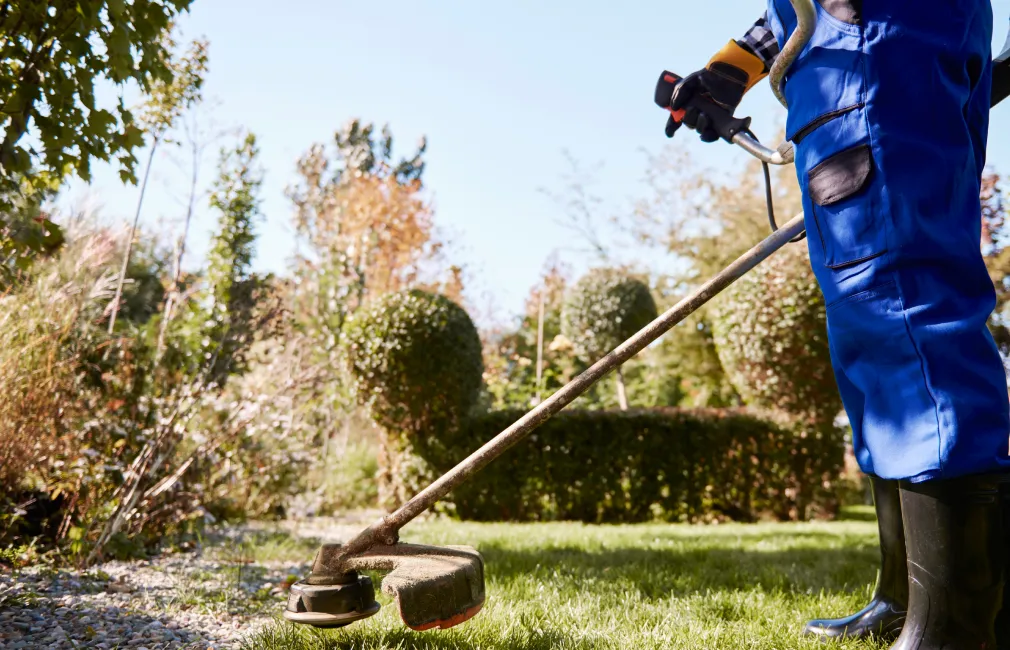
Hudson Brush Removal Types

Manual Brush Clearing
-
Mechanical Brush Removal
-
Selective Brush Thinning
-
Brush Mowing
-
Stump Grinding
-
Land Clearing
-
Brush Pile Removal
Our Brush Removal Process
Site Evaluation
Safety Preparation
Brush Clearing
Debris Removal
Final Inspection
Why Choose Hudson Landscape Services
-
Hudson Homeowners Trust Us
-
Expert Lawn Maintenance
-
Competitive Pricing
-
Professional Team
-
Satisfaction Guarantee
-
Personalized Service
-
Reliable Scheduling
Hudson Department of Public Works Brush Collection Schedules and Disposal Protocols
Brush removal in Hudson is coordinated through the Department of Public Works, which manages weekly curbside collection from April through November. Residents must prepare brush in bundles no longer than 4 feet and no thicker than 4 inches in diameter. Only biodegradable twine is permitted for bundling; plastic bags and wire are prohibited. Collection occurs every Thursday, and all materials must be placed curbside by 7:00 AM. Accepted items include branches, twigs, and small brush, while stumps, logs, and construction debris are not collected. For larger volumes or off-schedule pickups, residents may utilize the Hudson Transfer Station, which operates Tuesday through Saturday, 7:30 AM to 3:30 PM. Permit stickers are required for access. Compliance with these procedures ensures efficient municipal operations and prevents stormwater system blockages.
Hudson Department of Public Works
1 Municipal Drive, Hudson, MA 01749
Phone: (978) 562-9333
Official Website: Hudson Department of Public Works
Soil Series and Site Considerations for Brush Removal in Hudson
Hudson’s landscape is characterized by glacial till soils, primarily the Paxton and Canton series, which are moderately well-drained to well-drained with a typical pH range of 5.5 to 6.5. These soils often contain stones and compacted layers, requiring specialized equipment for effective brush removal. In areas with shallow bedrock or high water tables, such as near the Assabet River, extra caution is needed to avoid soil disturbance and erosion. Before initiating removal, it is recommended to conduct a soil test through UMass Extension to determine compaction and nutrient status. Best practices include:
- Using tracked equipment to minimize soil compaction
- Avoiding work during saturated conditions (soil moisture above field capacity)
- Maintaining a 25-foot buffer from wetlands and water bodies
- Incorporating 2-3 inches of compost post-removal to restore soil structure Research local soil characteristics using the USDA Web Soil Survey for site-specific guidance.
Environmental Compliance: Wetland Buffers and Stormwater Protection in Hudson
Brush removal activities in Hudson must comply with the Massachusetts Environmental Policy Act (MEPA) and local Conservation Commission regulations. Properties adjacent to wetlands, streams, or the Assabet River are subject to a 25-foot no-disturbance buffer, with a 100-foot jurisdictional review zone. All debris must be kept out of storm drains to comply with the town’s MS4 permit under the Clean Water Act. Prohibited practices include burning brush within 50 feet of water bodies and depositing material in floodplains. For projects near protected areas, a Request for Determination of Applicability (RDA) must be filed with the Conservation Commission, with a typical review period of 10 business days. State and federal contacts for environmental compliance include:
Hudson Conservation Commission
78 Main Street, Hudson, MA 01749
Phone: (978) 562-2948
Official Website: Hudson Conservation Commission
Massachusetts Department of Environmental Protection
Boston, MA
Official Website: Massachusetts Department of Environmental Protection
Equipment Operation Hours and Safety Standards for Brush Removal in Hudson
Hudson enforces municipal noise ordinances for outdoor equipment operation. Permitted hours for brush removal are:
- Monday-Friday: 7:00 AM - 7:00 PM
- Saturday: 8:00 AM - 6:00 PM
- Sunday and holidays: Prohibited
All operators must use equipment with functional mufflers, and noise levels must not exceed 85 decibels at the property line. When working within 15 feet of public roads or sidewalks, high-visibility vests and ANSI Z87.1 safety glasses are required. Chainsaws and chippers must be inspected before use, and only commercial-grade, 4-stroke engines are permitted for municipal contracts. For work near overhead utilities, maintain a minimum 15-foot clearance and coordinate with the Hudson Light & Power Department as needed. These standards are enforced by the Department of Public Works and the Hudson Police Department.
Hudson Police Department
911 Municipal Drive, Hudson, MA 01749
Phone: (978) 562-7122
Official Website: Hudson Police Department
Optimal Timing and Weather Considerations for Brush Removal in Hudson’s Climate
Hudson is located in USDA Hardiness Zone 6a, with average annual minimum temperatures of -10°F to -5°F. The optimal window for brush removal is late March through early May and again from September 1 to November 15, when soil is firm and vegetation is dormant. Avoid removal during spring thaw (typically March 1-20) and after heavy rainfall, as saturated soils are prone to compaction and rutting. The National Weather Service Boston/Norton Office provides up-to-date forecasts for planning operations. Key timing guidelines include:
- Spring: March 21 - May 15 (soil moisture below 30%)
- Fall: September 1 - November 15 (before first hard frost)
- Avoid: June-August (nesting season for local wildlife, heat stress)
- Monitor: 24-hour rainfall totals; postpone if >0.5 inches Consult the NWS for severe weather advisories before scheduling large-scale removal.
What Neighborhoods Do We Serve Throughout Hudson, MA?
- Downtown Hudson: Dense residential and commercial mix with narrow streets and mature trees. Brush removal here requires careful scheduling to avoid traffic disruptions and comply with noise ordinances.
- Brigham Hill: Features larger lots and significant woodland areas, often with rocky, well-drained Paxton soils. Access for equipment may be limited by steep slopes and private driveways.
- Assabet Village: Proximity to the Assabet River and wetlands necessitates strict adherence to buffer regulations and careful debris containment to protect water quality.
- Gates Pond Area: Characterized by conservation land and protected open space. Seasonal access restrictions and sensitive habitats require coordination with the Conservation Commission.
- Cranberry Lane: Newer development with compacted fill soils and underground utilities. Brush removal must account for utility marking and HOA landscaping standards.
- Forestvale: Heavily wooded with a mix of mature hardwoods and evergreens. High brush density and wildlife presence require specialized removal techniques and timing to avoid disturbance.
- Tripps Pond: Floodplain location with poorly drained soils and frequent standing water. Equipment selection and timing are critical to prevent soil rutting and comply with wetland protection rules.